
Why BlastSax alternative sandbags are ‘standard issue’ to major police force dealing with unexploded bombs
Unexploded bombs from World War Two are often found in Hong Kong and BlastSax have long been the ‘sandless sandbag’ of choice for police and bomb squads to deal with such emergencies.
In one case a Japanese 240mm shell weighing around 200kg was found during construction works in the Causeway Bay area of Hong Kong Island.
These heavy duty rounds were designed to destroy concrete positions such as pillboxes during the Battle for Hong Kong in December 1941.
This unexploded shell was found just 20 metres from the main electrical cable supplying power to a large section of the island and close to a gas main.
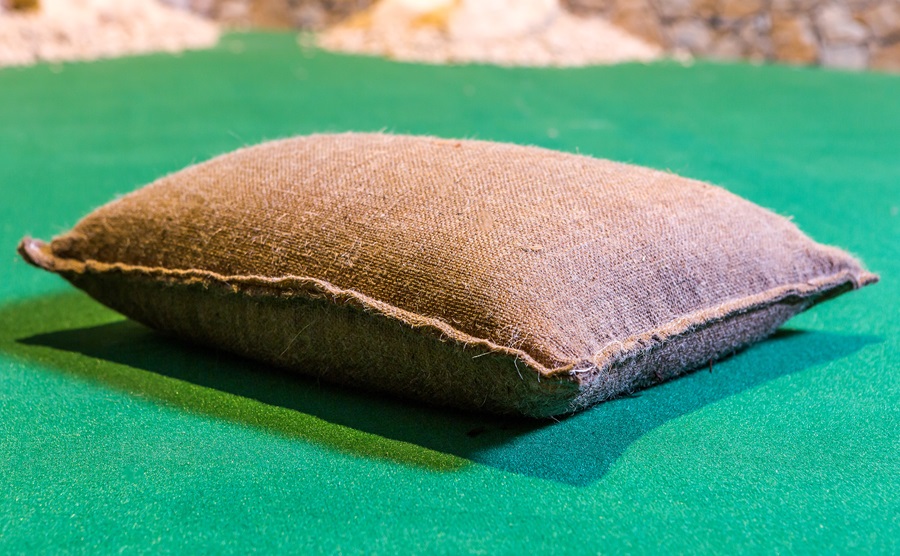
BlastSax (pictured above) – designed and made by Environmental Defence Systems Ltd based in Yorkshire, UK - are in heat-sealed packaging for space-saving storage and rapid deployment so can be taken anywhere very quickly. Once fully immersed in water, the special gelling polymer inside the BlastSax absorbs up to 20 litres and retains it to transform the BlastSax into an instant alternative sandbag.
A bomb disposal expert with Hong Kong Police said: “The location and condition of the round made it impossible to move. It has become standard practice for us to use BlastSax in at least the two initial layers before then applying additional layers of sandbags when bagging items of ordnance.
“In this particular case the main reason was to reduce fragmentation and act as an effective tamp for the explosive charges. A series of charges were used to crack the shell casing and the operation ended after three days with a final controlled detonation of the remaining portion with no damage to either the power cabling or gas main.
“BlastSax is now standard issue to all teams in the Bureau.’’